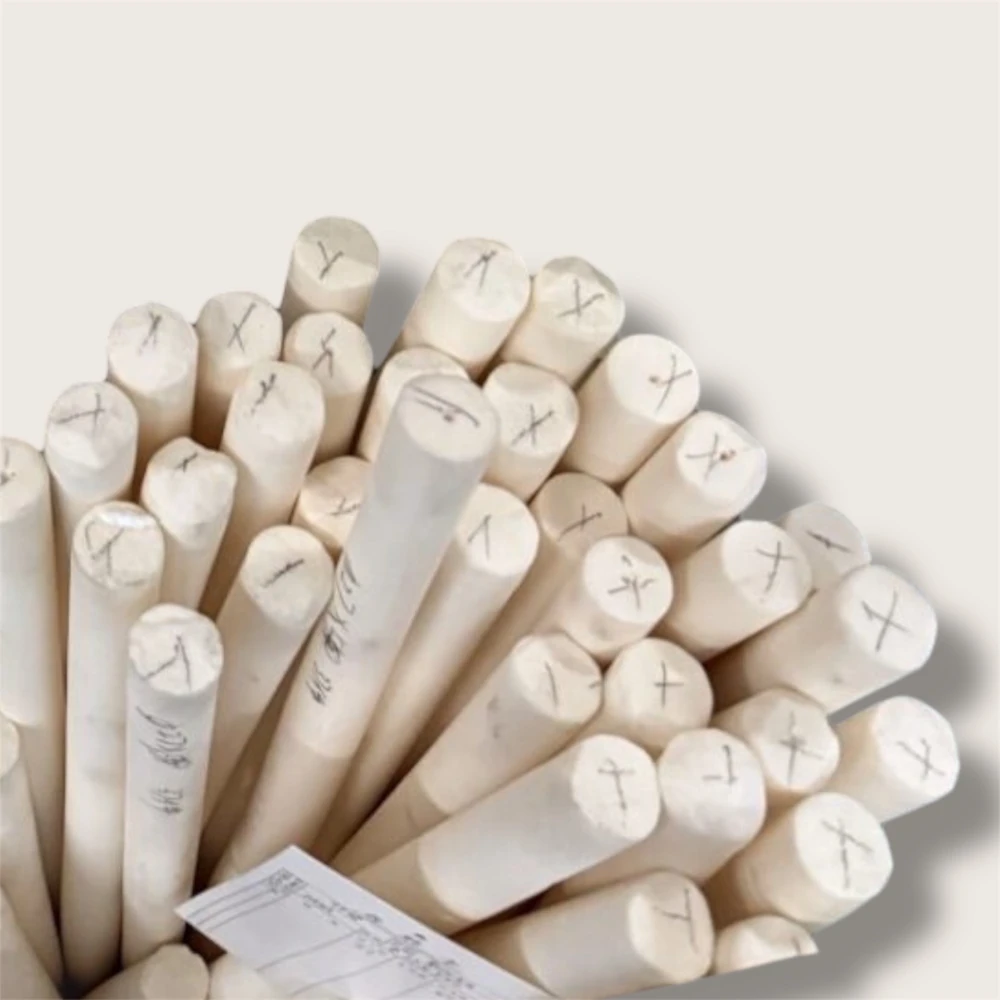
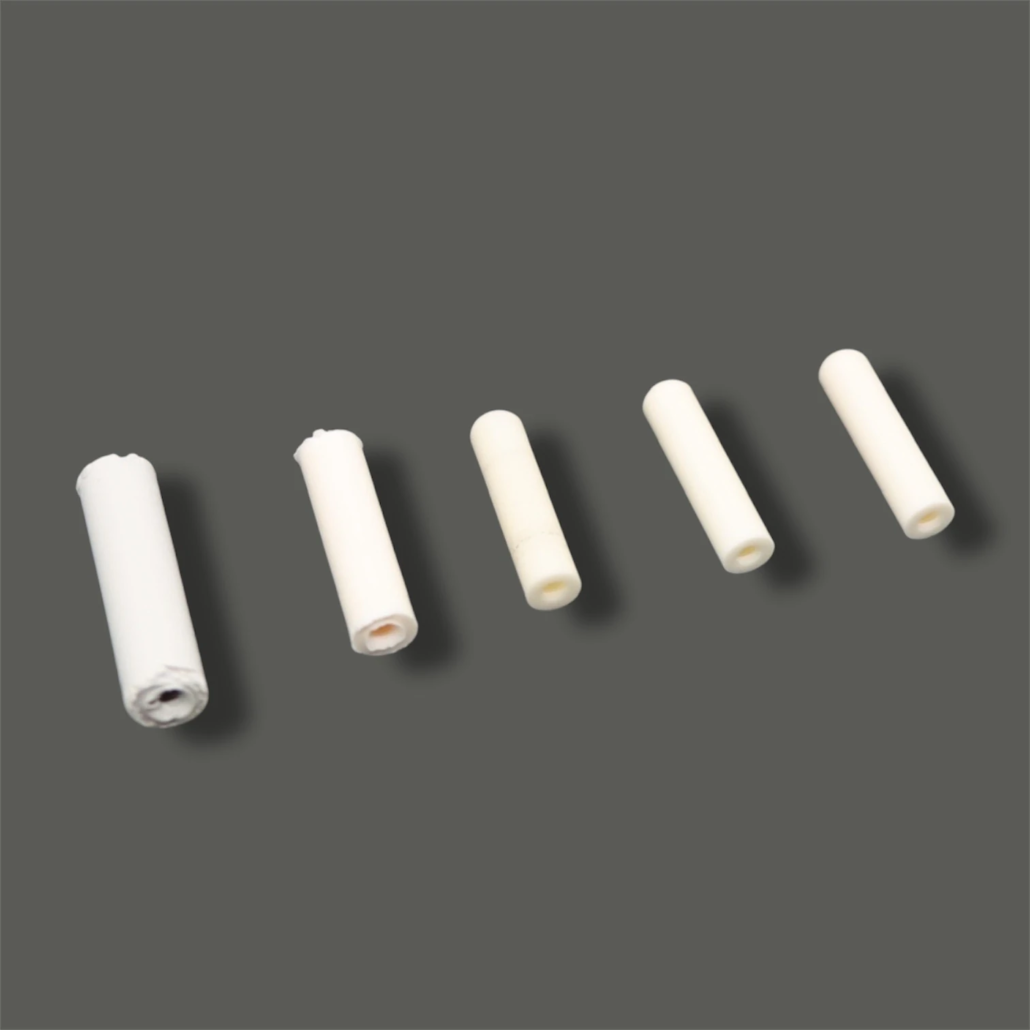
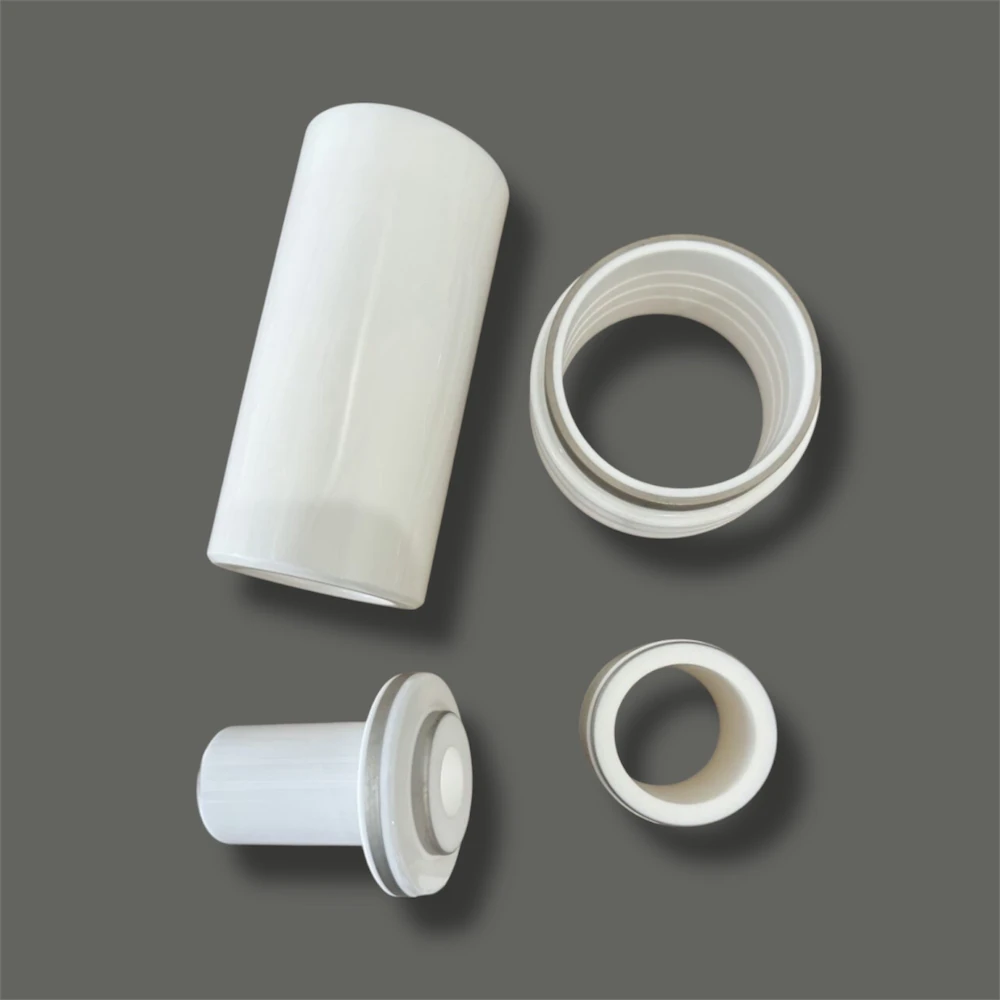
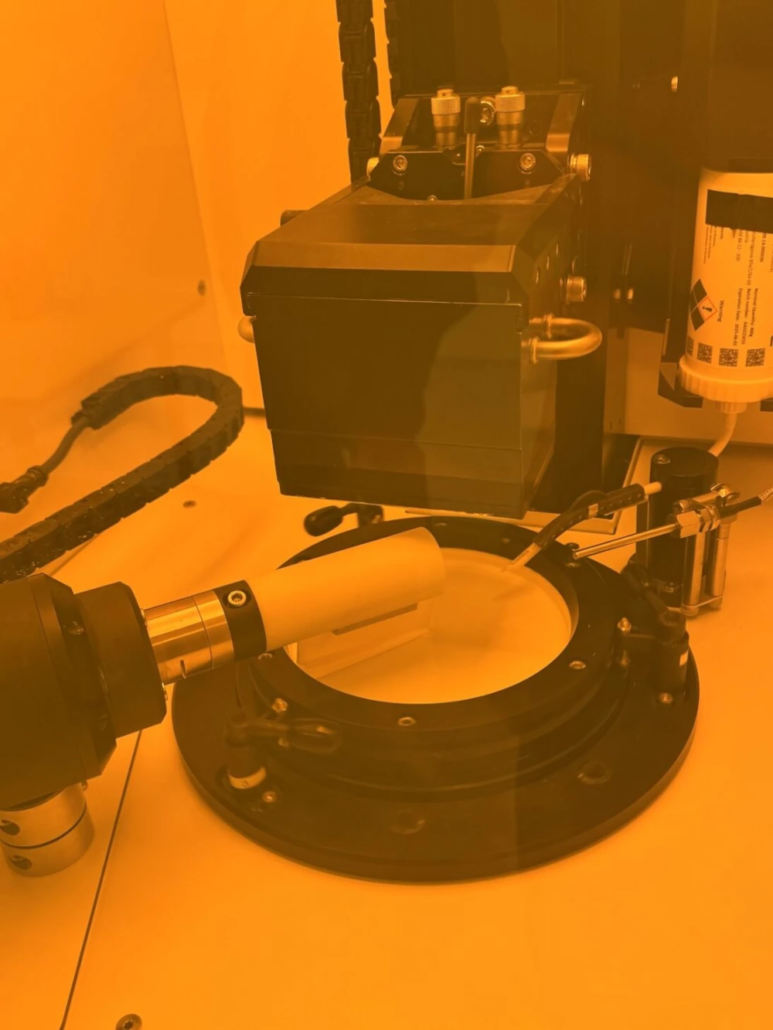
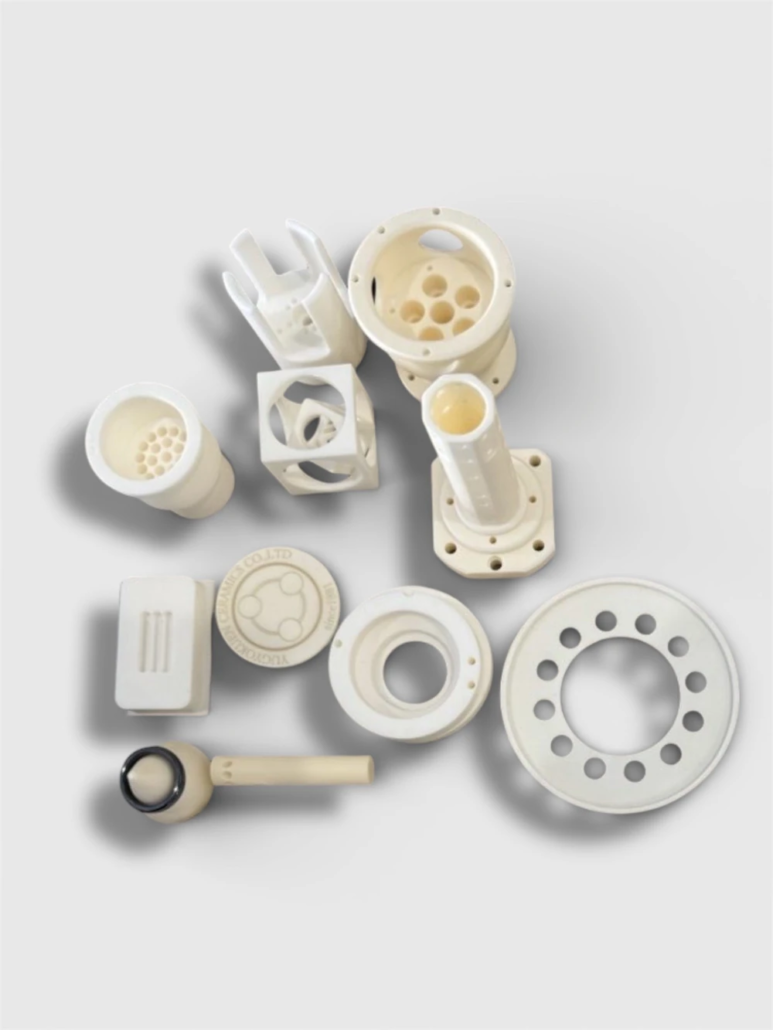
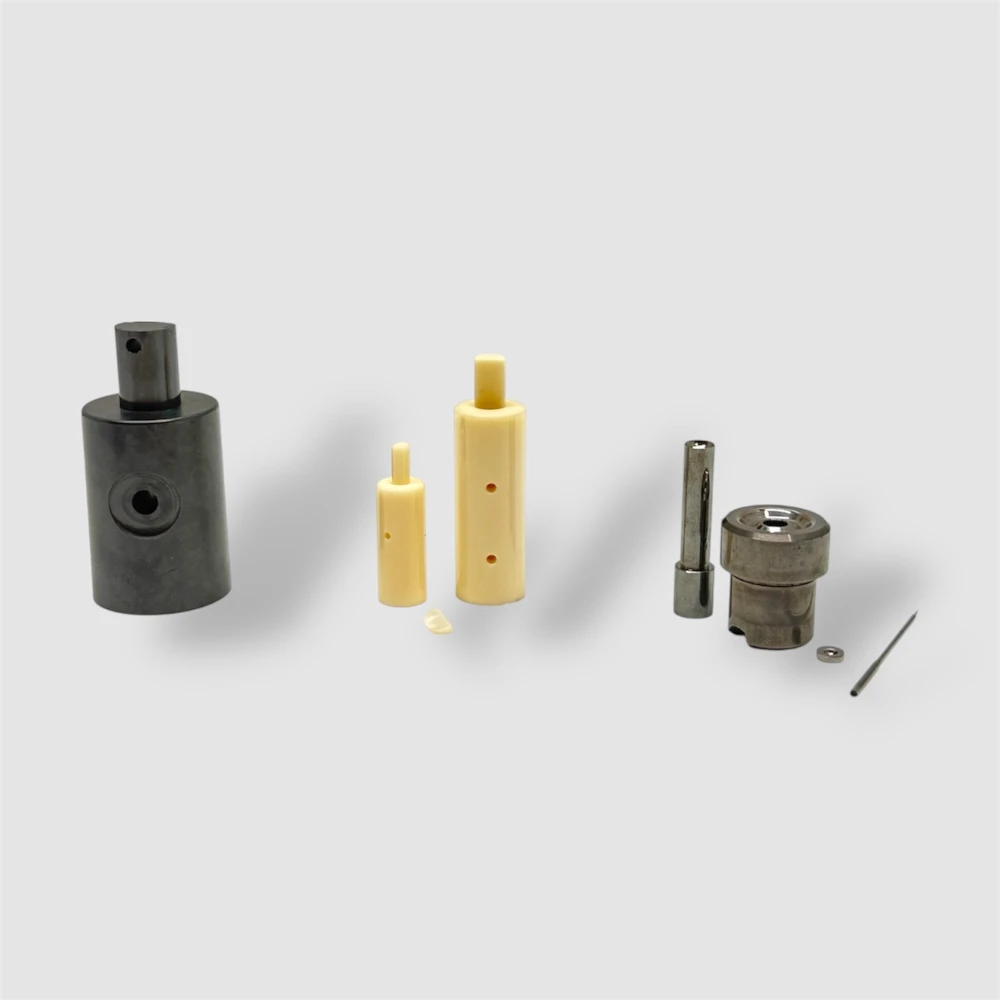
Aluminum oxide (Al₂O₃) is predominantly produced synthetically from bauxite using the Bayer process. The resulting high-purity powder forms the basis for the manufacture of ceramic components.
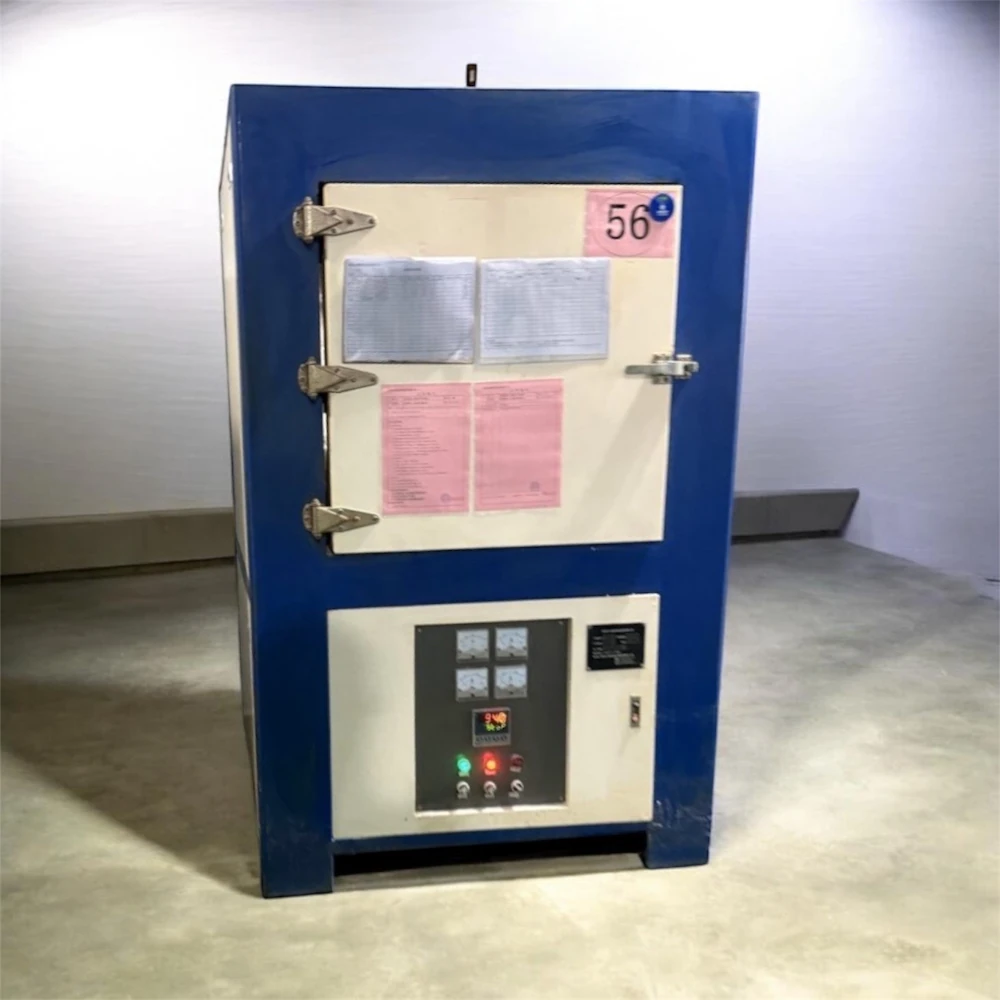
During sintering of the aluminum oxide powder at temperatures of approximately 1,600–1,700 °C, the microstructure densifies into a dense, fine-grained structure.
The properties of the finished material can be specifically influenced via purity level, grain size and sintering parameters.
- High-purity variants (99.5–99.9% Al₂O₃)achieve maximum hardness, strength and chemical resistance – making them ideal for applications with the most demanding requirements.
- Technically pure variants (96–99% Al₂O₃)offer an optimal balance of mechanical properties and economical manufacturing and are suitable for a wide range of industrial applications.
- Mixed ceramics (< 96 % Al₂O₃)contain additives such as silicon dioxide or magnesium oxide, which improve sintering behavior and reduce manufacturing costs.
This targeted microstructure design results in aluminum oxide ceramic grades with different property profiles – tailored to the respective application area.